A natural-looking SMP hairline should work with your face, existing hair and preferred haircut—not simply copy the lowest or sharpest line in a photograph. For someone considering scalp micropigmentation in Los Angeles, the design conversation is as important as the treatment itself.
SMP uses small pigment impressions to create the appearance of follicles. It can frame a closely shaved look or reduce visible scalp between existing hairs, but it does not grow hair. Before comparing designs, decide which appearance you actually want to maintain. A shaved-head hairline and a longer hairstyle need different planning.
Start with your own hairline, not a trend
Bring older photographs if you have them, along with a few examples that explain what you like. These are conversation tools rather than instructions to recreate someone else's head. Your facial proportions, temple recession, remaining hair and personal preferences all affect the plan.
Ask your artist to explain where the front edge would sit and how it would connect with the sides. Look at the proposed shape from the front and both profiles. A design that looks appealing in one straight-on phone photo may feel different when you turn your head or see it in an ordinary mirror.
Soft edges and defined edges create different impressions
A softer edge uses a gradual visual transition rather than a solid-looking border. A more defined design creates a clearer outline. Neither description is a guarantee of quality: what matters is how the design suits the person and blends with the surrounding hair.
If you want an understated change, say so directly. Ask to see examples that match that preference, rather than assuming that every SMP treatment must look like a fresh barber lineup. Discuss the temples as well as the center of the forehead, because those transitions influence the overall appearance.
Think carefully before lowering the hairline
A lower line is not automatically a more natural one. Discuss whether the proposed placement respects your existing recession and how it might look as you get older. Pigment is intended to remain in the skin for years, so this is not a decision to make only for an upcoming event.
Ask what your options would be if you later wanted a different shape. Correction or removal can involve additional treatment, expense and uncertainty. It is better to understand those limits before agreeing to placement than to assume an unwanted design can be easily erased.
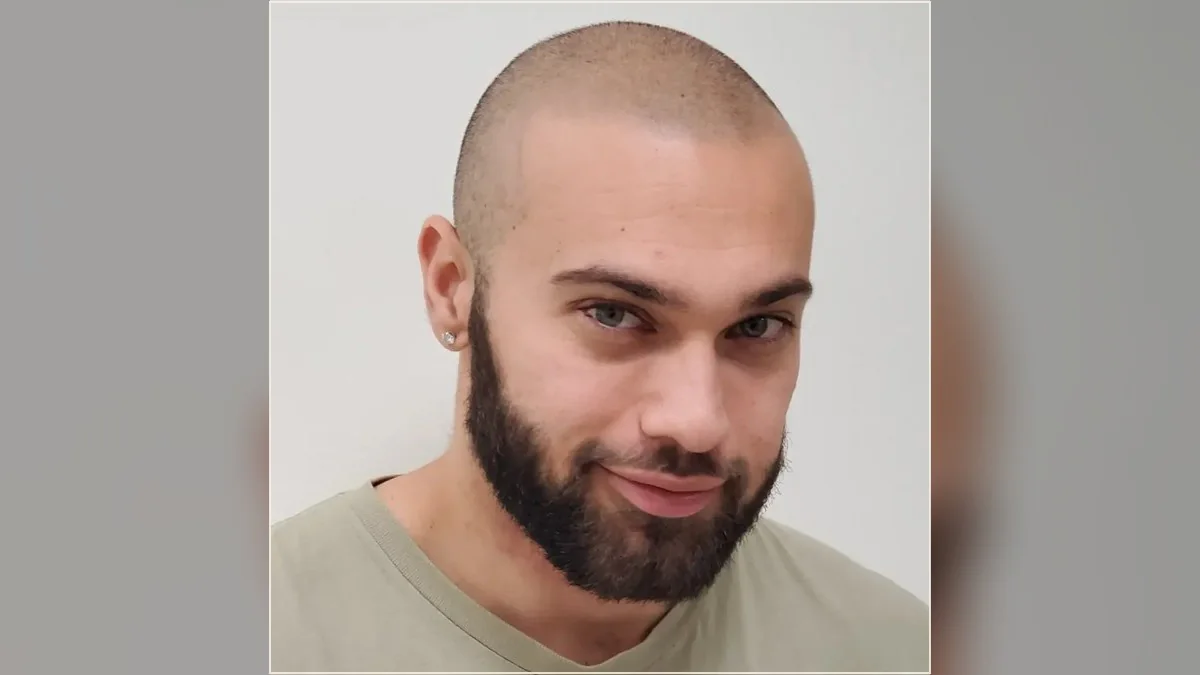
Plan the blend with your remaining hair
Your side and back hair create a visual reference for the treated scalp. Discuss the haircut length you normally keep, the contrast between hair and skin, and whether a shorter style would be needed to make the intended result convincing. Pigment impressions do not have the length or texture of growing hair.
If you prefer to keep longer hair, read our guide to whether you need to shave for SMP. For the treatment options themselves, compare hairline restoration with density enhancement. A consultation should clarify which goal fits your current coverage rather than force every person into the same approach.
Ask how future hair loss could change the design
SMP does not stop ongoing hair loss. If existing hair becomes thinner, the relationship between the pigment and surrounding hair can change. Ask what adjustments might be needed if that happens, and whether the proposed design leaves reasonable options for future maintenance.
New, sudden or patchy hair loss deserves medical assessment rather than an assumption that cosmetic camouflage is the first step. Tell your practitioner about scalp conditions, previous procedures and pigment work. A medical professional can assess the cause of hair loss; an SMP consultation addresses the cosmetic plan.
Review examples in more than one viewing condition
Los Angeles life can mean bright outdoor light, indoor office lighting and video calls on the same day. No photo predicts every setting. Ask for several angles and discuss how lighting, scalp shine and haircut length affect the impression you see.
Use the HairDot.Ink gallery alongside our guide to evaluating SMP before-and-after photos. Ask when examples were photographed and how many visits had been completed. Do not assume an unlabeled image shows a settled, healed result.
Questions to bring to your design consultation
- Why does this placement suit my existing hair and facial proportions?
- How would a softer or more defined edge change the appearance?
- What haircut length would I need to maintain?
- How might further thinning affect the plan?
- What visits, aftercare and future maintenance should I budget for?
Discuss your hairline at our Sherman Oaks studio
HairDot.Ink is at 4525 Sherman Oaks Ave #201, Sherman Oaks, CA 91403. We welcome visitors from Encino, Studio City and the wider Los Angeles area at this studio; these are not separate treatment branches.
Call (747) 267-8048 to arrange a consultation with Gil. Bring your preferred haircut, reference photographs and questions so you can discuss a realistic plan before deciding on treatment.
Frequently asked questions
Does a natural SMP hairline have to be perfectly straight?
No. The right shape depends on your features, remaining hair and preferences. Discuss softness, recession and transitions rather than treating a ruler-straight edge as the goal.
Can SMP restore actual hair at my temples?
No. It adds pigment impressions, not growing strands. Ask whether your intended hairstyle is compatible with that visual effect.
Can I change the design later?
Some refinements may be possible, but changing placement or removing pigment is not necessarily simple. Discuss limits before treatment rather than relying on a future correction.
Source and further reading
Cleveland Clinic: scalp micropigmentation, preparation, risks and questions to ask. This article is general cosmetic information, not a medical diagnosis or a promise of results.