You do not always have to shave your head for scalp micropigmentation. Some people keep existing hair for density work, while others maintain a closely shaved style so pigment impressions can blend with short stubble. The right approach depends on your hair coverage and the appearance you want—not a rule that applies to everyone.
For Los Angeles clients who want less visible scalp without changing their usual haircut, this is often the first question to settle. Before booking treatment or taking clippers to your hair, ask for an assessment of your current coverage, hair length and longer-term expectations.
Two different goals: density or a shaved look
Density SMP places pigment between existing strands to reduce the visual contrast between hair and scalp. It does not create new strands or physically thicken the hair. Existing hair still provides the length, movement and texture; pigment changes the background you see between it.
A shaved-look treatment uses small impressions to suggest closely cropped follicles across areas with little or no hair. Because the pigment stays flat on the scalp, a short haircut may be needed to blend it with real hair at the sides and back. Growing those areas much longer can make the difference in texture more obvious.
Explore density enhancement and hairline restoration as separate conversations. Choosing the treatment name matters less than agreeing on what your everyday hairstyle would look like afterward.
When keeping longer hair may be possible
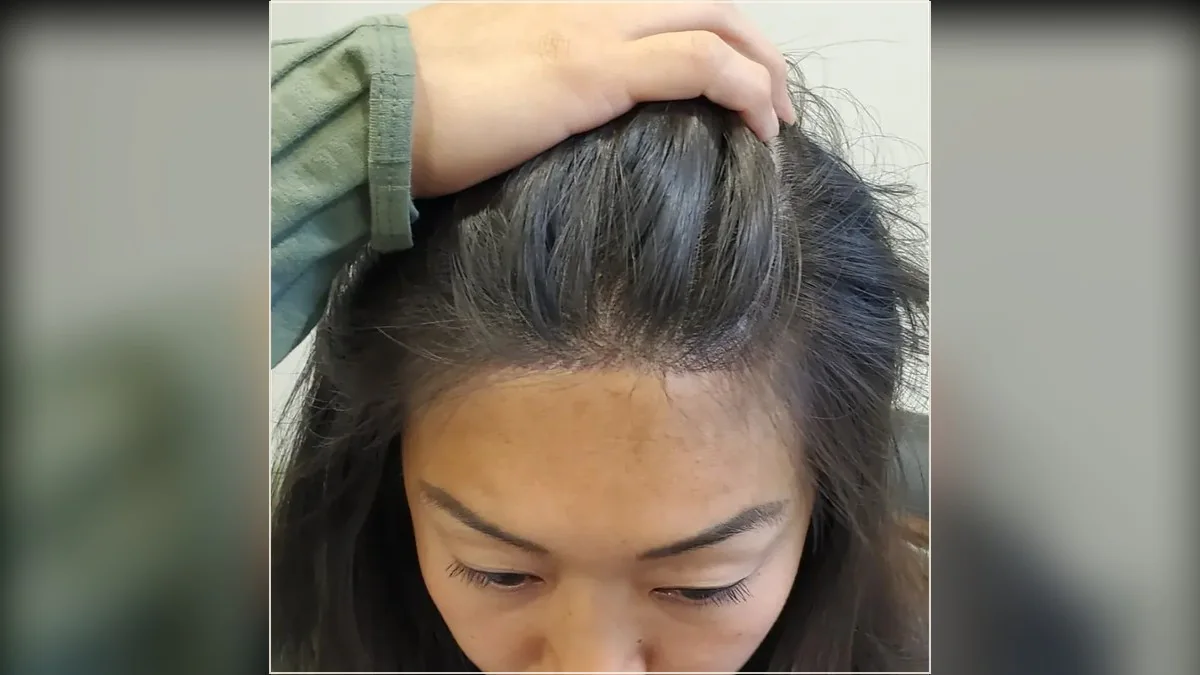
If you still have hair across the area of concern, an artist can assess whether there is enough coverage for a useful cosmetic blend. A widening part, visible scalp at the crown or more diffuse thinning may raise different design questions. Hair color, scalp contrast and the pattern of thinning all matter.
Longer hair does not automatically make someone a good candidate, and a particular length does not guarantee a result. The practitioner also needs access to the scalp during treatment. Ask whether your existing style can stay, whether a trim would help, and how the area will be parted or prepared.
When a shorter style may be the more realistic plan
Where there is little remaining hair across a large area, pigment cannot reproduce the look of long strands. Trying to match long side hair with a pigment-only top can leave a visible difference. In that situation, discuss whether you would actually enjoy and maintain a closely cropped style before proceeding.
Bring photographs of your hair at its usual length and, if available, after a shorter cut. Ask the artist to explain the limits without relying only on flattering close-up photos. If you are uncomfortable with a short haircut, it is reasonable to pause and consider alternatives rather than accept a plan you do not want to maintain.
Do not shave immediately before an appointment without instructions
A consultation and a treatment visit may have different preparation requirements. Ask what length to arrive with, whether the artist wants to see your usual style first, and whether any trimming should happen at the studio or beforehand. Do not assume instructions from another clinic apply to your plan.
Tell your practitioner about irritation from shaving, scalp sensitivity, existing pigment and previous procedures. Follow the preparation instructions they provide, and disclose active skin problems before treatment. Fresh irritation or a scalp condition may change the timing or require assessment.
Consider what happens if your hair continues to thin
Scalp micropigmentation does not prevent hair loss or treat its underlying cause. A density result that blends with existing hair today may look different if that hair becomes substantially thinner. Ask what future maintenance, coverage changes or haircut adjustments could involve.
If your hair loss is sudden, patchy or accompanied by scalp symptoms, speak with a qualified medical professional. If you already use prescribed hair-loss treatment, ask the prescribing clinician about it; do not stop or change medication based on a cosmetic blog. Discuss treatment-day product instructions separately with your SMP practitioner.
Plan around your normal Los Angeles routine
Keeping your hairstyle does not mean there are no temporary care restrictions. Washing, exercise, sweating, swimming and scalp products may need to change during healing. Ask for written instructions tailored to your treatment rather than treating “no shaving” as permission to resume everything immediately.
If your week includes commuting from Burbank, working outdoors or visiting the beach, explain that routine at the consultation. Our guide to planning SMP around Los Angeles outdoor life covers scheduling questions. Your own artist's instructions take priority over a general checklist.
A practical consultation checklist
- Am I planning density camouflage or a closely shaved appearance?
- Can my usual haircut work with the amount of hair I have?
- Do I need a trim, and what length should I arrive with?
- How could future thinning change the appearance?
- How many visits, healing intervals and maintenance appointments should I plan for?
- What should I avoid on my scalp before and after each visit?
Get a haircut-specific assessment in Sherman Oaks
Review the HairDot.Ink gallery for examples to discuss, then call (747) 267-8048 to arrange a consultation with Gil. Ask to review photos with a similar hair-loss pattern and learn when each example was taken.
Our studio is at 4525 Sherman Oaks Ave #201, Sherman Oaks, CA 91403. Visitors from Encino, Studio City and elsewhere in Los Angeles come to this address. The goal is a plan that fits your real hair and preferences, not a promise based on someone else's photograph.
Frequently asked questions
Can women have SMP without shaving their hair?
Keeping existing hair may be possible for density work. Suitability depends on scalp health, remaining coverage and the intended effect, so arrange an individual assessment.
Will SMP make long hair grow over a bald area?
No. Pigment does not grow hair or add length. It creates a visual effect on the scalp and cannot replace the texture of longer strands.
Should I get a haircut before my consultation?
Ask the studio first. Seeing your usual haircut may help the discussion, and any preparation should match the appointment you are actually attending.
Source and further reading
Cleveland Clinic: what scalp micropigmentation can and cannot do. This article provides general cosmetic information and does not replace medical advice about hair loss or scalp health.