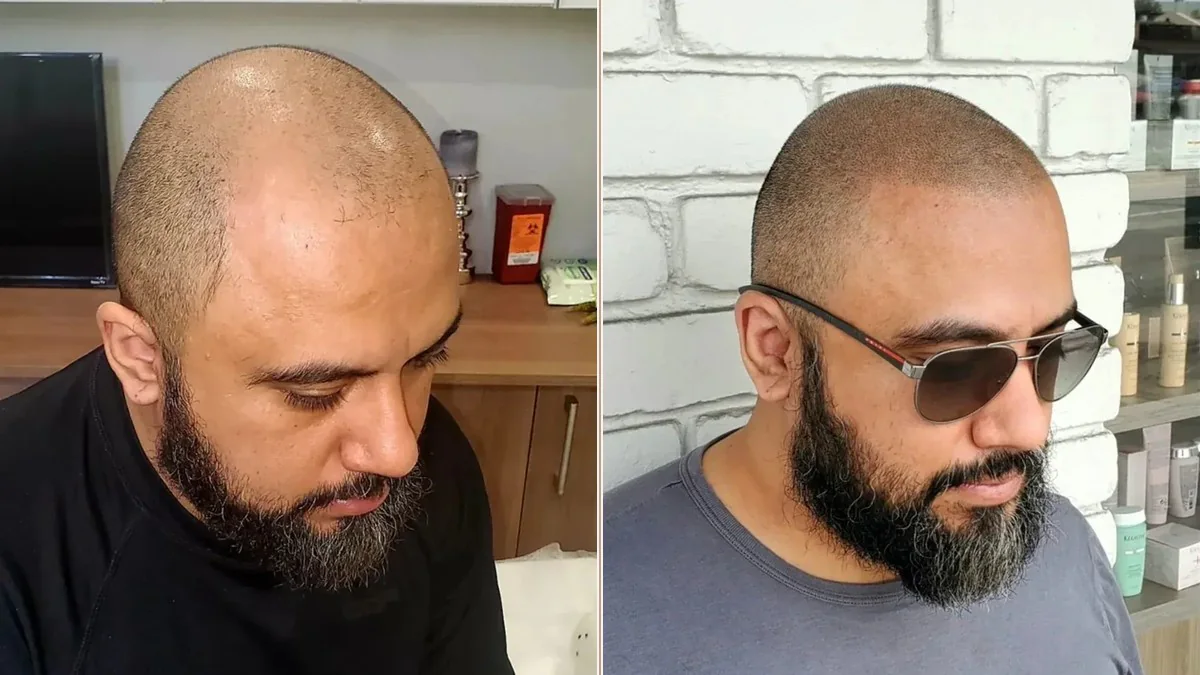
If you are comparing SMP vs hair transplant, you are likely looking for a solution that restores confidence, fits your budget, and works with your lifestyle. Both options can improve the appearance of hair loss, but they do so in very different ways. For people in Los Angeles dealing with thinning hair, receding hairlines, scars, or bald spots, understanding the strengths and limitations of each treatment is the key to making the right decision. Scalp micropigmentation creates the look of fuller hair by placing detailed pigment impressions into the scalp, while a hair transplant moves real hair follicles from one area to another. The best choice depends on your goals, hair loss pattern, expectations, and how much maintenance you are comfortable with.
SMP vs hair transplant: how each solution works
When evaluating SMP vs hair transplant, it helps to start with the basics. Scalp micropigmentation, or SMP, is a non-surgical cosmetic treatment. A trained artist deposits pigment into the scalp in tiny layered impressions that mimic natural hair follicles. This can create the appearance of a buzz cut, add density to thinning hair, or help camouflage scars.
A hair transplant is a surgical procedure. Hair follicles are typically removed from a donor area, often the back or sides of the head, and transplanted into areas with thinning or no hair. Common methods include FUE and FUT. Because transplanted follicles are real hair, they can grow naturally after the procedure and be cut or styled like the rest of your hair.
The biggest difference is simple: SMP creates an optical illusion of fuller hair, while a transplant relocates actual hair. Neither option is universally better. It comes down to what result you want and what process you are willing to go through.
SMP vs hair transplant: appearance, realism, and ideal candidates
Many people comparing SMP vs hair transplant are most concerned with how natural the final result will look. The answer depends on the provider, the treatment plan, and your existing hair.
SMP can look extremely realistic when performed by an experienced specialist. For shaved or closely cropped styles, it can create the clean look of a fresh hairline and fuller scalp coverage. For clients with thinning hair, SMP can reduce contrast between the scalp and existing hair, making hair appear denser. It is also a popular option for concealing transplant scars or other scalp scars.
Hair transplants can also deliver natural-looking outcomes, especially for people with strong donor hair and realistic expectations. However, results vary based on donor supply, hair characteristics, surgical skill, and future hair loss. Not everyone is an ideal transplant candidate. If you have extensive baldness, weak donor areas, certain scalp conditions, or unrealistic density expectations, surgery may not produce the look you want.
SMP may be an especially good fit if you:
- Prefer a non-surgical solution
- Want the look of a defined shaved hairline
- Have diffuse thinning and want more visible density
- Need to camouflage scars from prior procedures
- Do not have enough donor hair for a transplant
- Want a faster cosmetic improvement
A hair transplant may be a better fit if you:
- Want real growing hair in treated areas
- Have sufficient donor hair
- Are comfortable with surgery and recovery time
- Understand that more than one procedure may be needed
- Are prepared for ongoing hair loss management
SMP vs hair transplant: cost, recovery, and maintenance in Los Angeles
For many Los Angeles clients, the practical side of SMP vs hair transplant matters just as much as the cosmetic result. Cost, downtime, and long-term upkeep can significantly affect your decision.
SMP is generally more affordable than a hair transplant. Pricing varies based on the size of the treatment area, the level of detail required, and whether scar camouflage is involved. Treatment is usually completed over multiple sessions, and most people can return to normal routines quickly with only minor short-term restrictions. There is no surgery, no stitches, and no need to wait months for transplanted follicles to begin growing.
Hair transplants typically involve a much higher upfront cost. In addition to the procedure itself, some patients factor in medications, time off work, and the possibility of future surgeries as hair loss progresses. Recovery can involve redness, scabbing, swelling, and a waiting period before results become visible. It may take several months to see meaningful growth and up to a year for fuller outcomes.
Maintenance also differs. SMP may require occasional touch-ups over time to keep the pigment crisp and balanced, especially with sun exposure and natural fading. Hair transplants involve caring for real hair, but transplanted areas do not stop future hair loss in untreated regions. Many transplant patients still use medications or additional treatments to preserve surrounding hair.
If you live in Los Angeles and value convenience, predictability, and a polished appearance without surgery, SMP can be an appealing option. If you want actual hair growth and are comfortable with the expense and healing process, a transplant may feel worth it.
SMP vs hair transplant: pros and cons to consider
A side-by-side view of SMP vs hair transplant can make the decision easier.
Advantages of SMP
- Non-surgical with minimal downtime
- Usually lower cost than transplant surgery
- Fast visible improvement
- Effective for shaved styles, thinning hair, and scar camouflage
- Works even when donor hair is limited
Limitations of SMP
- Does not create real growing hair
- Best results often require keeping hair very short in bald areas
- Touch-ups may be needed over time
- Outcome depends heavily on the skill and artistry of the practitioner
Advantages of hair transplant
- Uses real hair follicles that can grow naturally
- Can be styled depending on density and coverage achieved
- May provide long-term improvement in selected areas
Limitations of hair transplant
- Surgical procedure with recovery time
- Higher cost
- Dependent on donor hair availability
- Results may take many months
- May leave scars or require future procedures
Some clients choose a combination approach. For example, a person may have a transplant to rebuild a hairline and use SMP to increase the appearance of density behind it. Others use SMP to improve the look of transplant scars. In many cases, the question is not always SMP or transplant, but whether one or both can help you reach your ideal result.
How to choose the right hair loss solution for you
The best way to decide between these treatments is to assess your goals honestly. Ask yourself whether you want the appearance of fuller hair right away, or whether you specifically want real hair growth. Consider your tolerance for surgery, your budget, your current hair loss pattern, and how you plan to wear your hair.
It is also important to choose a provider who understands facial balance, hairline design, pigment matching, and the long-term planning required for natural results. In a style-conscious city like Los Angeles, subtle detail matters. A rushed or poorly designed treatment can be noticeable, while expertly performed SMP can look clean, age-appropriate, and convincing in all kinds of lighting.
If you are leaning toward scalp micropigmentation and want guidance tailored to your hair loss pattern, book a free consultation with HairDot.Ink in Sherman Oaks. A professional assessment can help you understand whether SMP alone is the right move or whether it makes sense alongside other hair restoration options. You can also read more on our blog to explore treatments, aftercare, and realistic expectations before making your decision.
Ultimately, the choice between SMP and hair transplant is personal. The right answer is the one that gives you confidence, suits your lifestyle, and delivers a result you will feel good about every day.