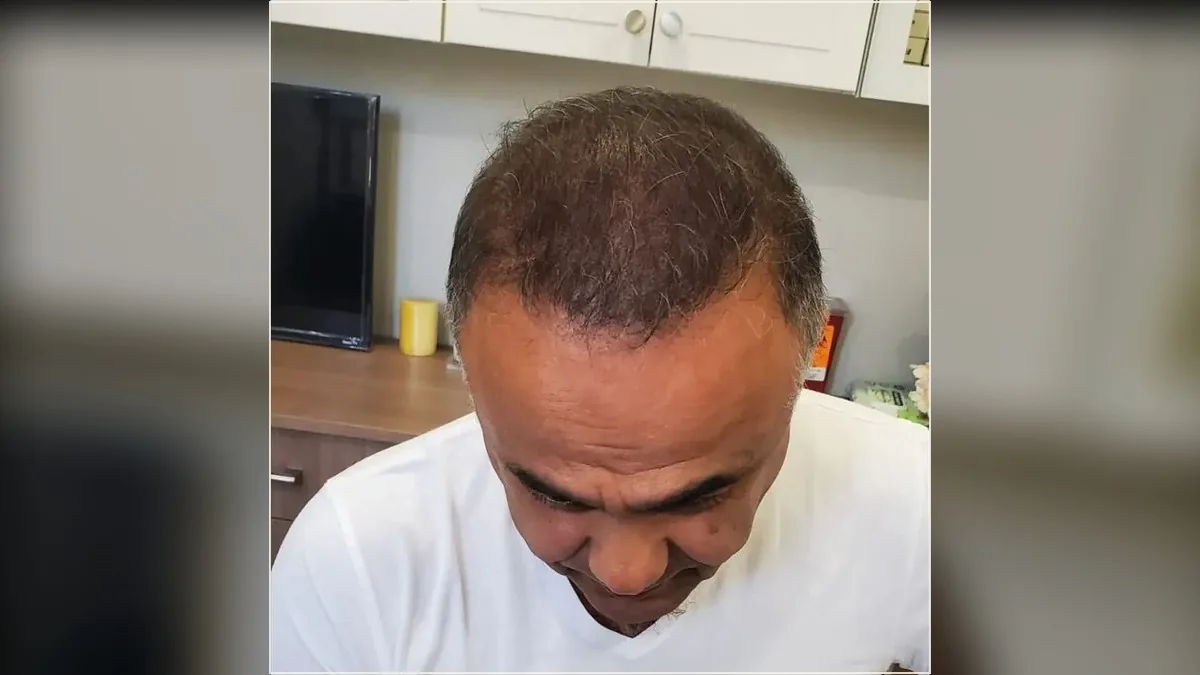
If you are researching long-term maintenance after scalp micropigmentation, this SMP touch-up guide will help you understand when to refresh your results, what signs to watch for, and how lifestyle and skin type can affect longevity. For people considering treatment in Los Angeles, touch-up timing matters because sun exposure, active routines, and personal style preferences all influence how crisp and natural your look stays over time. While SMP is designed to last for years, a smart maintenance plan can keep your hairline, density treatment, or shaved-head effect looking clean and consistent.
SMP Touch-Up Guide: How Long Results Usually Last
A good SMP touch-up guide starts with realistic expectations. Scalp micropigmentation is considered a long-lasting cosmetic solution, but it is not always a one-and-done procedure for life. Most clients enjoy strong, natural-looking results for several years before wanting a refresh. In many cases, a touch-up may be considered anywhere from 2 to 6 years after the initial treatment, depending on several factors.
These factors include pigment retention, your skin type, aftercare habits, how much sun exposure you get, and the level of definition you want to maintain. Someone who spends a lot of time outdoors in Los Angeles may notice soft fading sooner than someone with less UV exposure. That does not mean the treatment has failed. It simply means the pigment has gradually lightened, which is a normal part of the SMP lifecycle.
It is also important to remember that touch-ups are not always about major fading. Some clients choose to refresh their SMP because they have changed their hairstyle, want a stronger hairline, or have experienced more hair loss since the original sessions.
- Typical refresh window: around 2 to 6 years
- Earlier touch-up reasons: heavy sun exposure, oily skin, frequent sweating, or style changes
- Later touch-up reasons: conservative treatment style, excellent aftercare, lower UV exposure
If you want personalized guidance for your scalp and goals, you can book a free consultation to discuss timing and maintenance options.
SMP Touch-Up Guide: Signs It May Be Time for a Refresh
One of the most common questions clients ask is how to tell whether they actually need a touch-up. In this SMP touch-up guide, the best answer is to focus on appearance rather than the calendar alone. A refresh is often worth considering when your SMP no longer frames the face or blends with surrounding hair the way it used to.
Visual signs to look for
- Overall fading: the pigment appears lighter than before
- Reduced definition: the hairline or temple area looks softer than you prefer
- Uneven appearance: certain zones fade faster, especially where skin is oilier
- Less density effect: thinning areas seem more visible than when treatment was fresh
- Style mismatch: your SMP no longer suits your current haircut or facial hair style
Subtle fading is normal and often still looks natural. In fact, many people prefer a softer, broken-in appearance after the first few years. The right time for a touch-up depends on your goals. If you like a sharper line and stronger contrast, you may choose maintenance sooner. If you prefer a very soft, understated finish, you may wait longer.
Another reason to reassess is progressive hair loss. SMP often looks best when it is adapted to your current pattern of loss. If recession or diffuse thinning has advanced, a touch-up can help restore balance and keep the treatment believable.
SMP Touch-Up Guide for Los Angeles: Lifestyle Factors That Affect Fading
For clients in Southern California, local lifestyle makes a real difference. This SMP touch-up guide would not be complete without addressing Los Angeles conditions. Sun, heat, outdoor workouts, beach days, and pool time can all affect how your scalp ages and how long your SMP stays at peak visibility.
UV exposure is one of the biggest considerations. Even high-quality SMP can fade faster when the scalp is frequently exposed to direct sunlight without protection. If you shave your head or keep hair very short, your scalp gets even more exposure. Wearing a hat when practical and using scalp-safe sun protection can help preserve your results.
Common Los Angeles lifestyle factors
- Frequent sun exposure: may accelerate gradual fading
- Outdoor exercise: sweating can affect early healing if aftercare is not followed properly
- Swimming: chlorine and saltwater exposure are best limited during healing
- Oily skin and heat: may influence retention over time
- Regular head shaving: can make subtle fading more noticeable because the scalp is fully visible
The good news is that fading from time and environment is usually manageable. A touch-up is typically far simpler than starting over. Small reinforcement sessions can restore depth, improve framing, and help the treatment continue to look polished and natural.
If you want additional guidance on maintaining SMP in California conditions, you can read more on our blog for education on aftercare, healing, and realistic expectations.
SMP Touch-Up Guide: What Happens During a Touch-Up Appointment
Many people imagine a touch-up as a full repeat of the original process, but that is not always the case. In most situations, a touch-up is more targeted. The practitioner evaluates the existing work, checks pigment softness and placement, and then refreshes areas that need more density or structure.
The appointment may focus on:
- Reinforcing a faded hairline
- Restoring density in crown or thinning areas
- Adjusting the blend to match current hair loss
- Softly refining temples or frontal framing
- Maintaining a natural tone and impression
A professional approach is especially important because touch-ups should enhance the original work, not overload it. The goal is controlled layering that keeps the treatment subtle and realistic. An experienced SMP artist will assess whether you need a small refresh or a broader adjustment based on changes in your scalp, pigment retention, and hair loss pattern.
Healing after a touch-up is usually similar to the original aftercare process, though the scope may be smaller. Following instructions carefully remains essential. Avoiding heavy sweating, sun exposure, and irritation during healing helps support the best long-term outcome.
SMP Touch-Up Guide: How to Make Your Results Last Longer
The best SMP touch-up guide does not just explain when to come back. It also helps you delay the need for a refresh by protecting your investment. Simple habits can make a meaningful difference in how fresh your SMP looks year after year.
Tips to extend the life of your SMP
- Protect your scalp from the sun: hats and appropriate sun protection matter
- Follow aftercare carefully: healing sets the foundation for retention
- Use gentle skincare: avoid harsh exfoliants on the scalp when possible
- Manage shine and oil: products for scalp care can improve the overall appearance
- Monitor changes in hair loss: address progression before it affects the look of the treatment
It is also wise to take periodic photos in consistent lighting. Because fading is gradual, it can be hard to notice from day to day. Photos make it easier to compare your current results with the original outcome and decide whether a touch-up would improve the look.
Ultimately, SMP maintenance should feel flexible, not stressful. A refresh is simply part of preserving a cosmetic result that is meant to stay natural over time. For Los Angeles clients, that means balancing appearance goals with the reality of climate, sun exposure, and lifestyle.
If you are considering treatment or wondering whether your current results are ready for a refresh, the right plan begins with an expert evaluation. With proper timing and technique, a touch-up can keep your SMP looking clean, subtle, and confidence-boosting for years.