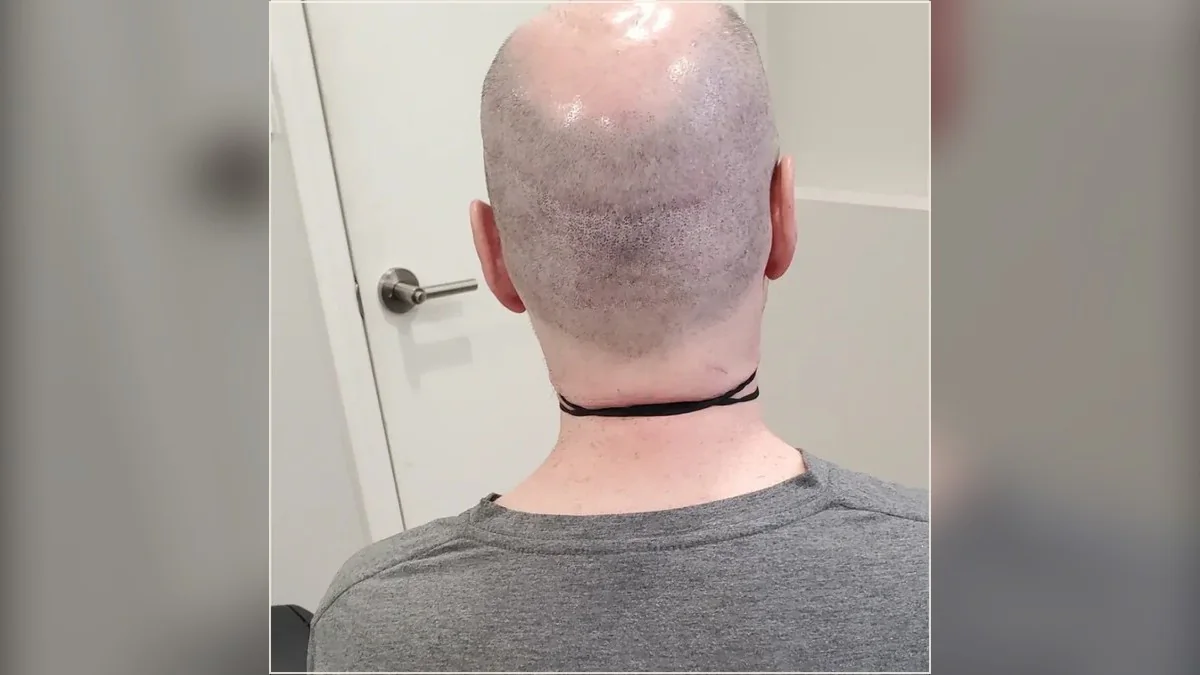
Scars on the scalp can be a daily reminder of surgery, injury, or past hair restoration procedures. For many people in Los Angeles, SMP for scars offers a practical, non-surgical way to reduce the contrast between scar tissue and surrounding hair. By placing carefully matched pigment impressions into the scalp, scalp micropigmentation can help scars look less noticeable and create a more balanced, natural appearance. Whether you have a FUT strip scar, FUE dot scarring, a linear injury, or a scar from a medical procedure, understanding how the process works can help you decide if this treatment is right for you.
At HairDot.Ink in Sherman Oaks, scar camouflage is approached with precision, realism, and a strong focus on skin health. Scalp scars are not all the same, so treatment has to be customized for the texture, tone, location, and healing characteristics of each individual scar. If you are exploring your options, you can book a free consultation to discuss your scar pattern and treatment goals in person.
What Is SMP for Scars?
SMP for scars is a specialized form of scalp micropigmentation designed to blend visible scar tissue into the surrounding scalp. Instead of trying to remove a scar, SMP works by reducing its visibility. Tiny pigment deposits are layered into or around the scar area to mimic the appearance of closely shaved hair follicles. This visual effect helps break up the contrast that makes scars stand out.
This can be especially helpful for people who wear their hair very short. A scar often appears lighter, shinier, or smoother than the surrounding scalp, which makes it obvious under bright light or at certain angles. With expert pigment placement, the eye is drawn away from the scar and toward a more consistent overall look.
Common types of scars treated with scalp micropigmentation include:
- FUT strip scars from hair transplant surgery
- FUE dot scars scattered across donor areas
- Injury-related scars from accidents or stitches
- Surgical scars from medical procedures on the scalp
- Burn or trauma scars when the tissue is suitable for treatment
Not every scar is immediately ready for SMP. Scar maturity, skin texture, thickness, and blood supply all affect the treatment plan. In general, a fully healed and stable scar responds better than one that is fresh or still changing.
How SMP for Scars Camouflages Different Scar Types
The reason SMP for scars can be so effective is that it creates the illusion of density and continuity. Scar tissue often reflects light differently than normal skin and may not grow hair the same way. SMP helps restore the appearance of uniformity by matching the surrounding follicle pattern as closely as possible.
Linear FUT scars
FUT scars are among the most common concerns seen in SMP clinics. These strip scars usually form a straight line across the back of the scalp. When hair is cut short, the line can become very noticeable. SMP can soften that visible line by placing follicle-like impressions through and around the area, helping it blend into the existing hair pattern.
FUE dot scarring
FUE procedures can leave small circular scars throughout the donor region. Individually, they may seem minor, but together they can create a patchy look. SMP can reduce the high-contrast “moth-eaten” appearance by adding pigment strategically between and over the dots where appropriate.
Accident or surgery scars
Scars from injuries or surgeries vary widely in shape and texture. Some are flat and pale, while others are raised, indented, or irregular. A skilled practitioner evaluates how the scar sits against the surrounding scalp and adjusts depth, spacing, and density accordingly. This is one reason scar camouflage should never be treated like a standard SMP session.
Because every scar behaves differently, multiple sessions are often needed. Layering pigment gradually allows the practitioner to monitor retention and make refinements for a more natural final result.
Who Is a Good Candidate for SMP for Scars?
Many people are good candidates for SMP for scars, but the best results typically come when expectations are realistic and the scar has healed fully. The goal is camouflage, not total erasure. Most clients are thrilled to make a scar significantly harder to notice, especially in natural daylight and with a short hairstyle.
You may be a strong candidate if:
- Your scar is fully healed and no longer changing in color or texture
- You want to wear your hair shorter without drawing attention to the scar
- You have realistic expectations about improvement rather than perfection
- Your scalp is generally healthy and not actively inflamed
- You are willing to complete multiple sessions if needed
A consultation is important because some scars require extra caution. Very raised keloid scars, unstable scar tissue, or certain skin conditions may affect whether treatment is recommended. In a professional assessment, the practitioner can determine whether the scar is suitable for pigmentation and how much improvement is realistically possible.
For people in Los Angeles, it is also helpful to choose a clinic that understands how sun exposure, active lifestyles, and different skin tones can affect both healing and long-term appearance. An experienced studio will tailor the treatment to your scalp rather than use a one-size-fits-all approach.
What to Expect From the SMP for Scars Process
The process starts with an in-depth consultation. The practitioner examines the scar, discusses your hairstyle preferences, and evaluates surrounding hair density and scalp tone. This is where the treatment design begins. The pigment shade, impression size, and blending pattern all need to work together for the camouflage to look believable.
Most scar camouflage cases involve two to four sessions. During the first session, conservative layering is key. Scar tissue can retain pigment differently from normal skin, so it is better to build the look gradually than to overwork the area. Follow-up sessions help reinforce pigment where needed and refine the blend.
Here is what clients should generally expect:
- Session length: depends on scar size and complexity
- Mild discomfort: often manageable, though scars can be more sensitive
- Healing time: short downtime, with aftercare instructions to protect the area
- Progressive improvement: results improve as sessions are layered
- Maintenance: occasional touch-ups may be recommended over time
Aftercare matters. You will usually be advised to avoid heavy sweating, direct sun exposure, and aggressive washing for a short period after each session. In Los Angeles, sun protection is especially important because UV exposure can affect both your scalp and the longevity of the cosmetic result.
If you want to learn more about treatment planning, healing, and realistic outcomes, you can read more on our blog for additional guidance.
Choosing a Los Angeles Studio for SMP Scar Camouflage
When researching SMP for scars in Los Angeles, experience matters. Scar tissue is more complex than unaffected scalp skin, so you want a practitioner who understands how to adjust for texture, tone, and retention. Reviewing healed results is particularly important. A scar can look different immediately after treatment than it does weeks later, so healed photos give a better sense of quality.
During your consultation, ask thoughtful questions:
- Have you treated scars similar to mine?
- How many sessions do you expect I will need?
- What kind of result is realistic for my scar type?
- Do you have healed examples of scar camouflage work?
- How should I care for my scalp after each session?
The best SMP providers are honest about limitations while still showing you what is achievable. They will explain that scar camouflage is an art built on subtlety. The aim is not to make the scalp look overly dark or artificial, but to create a soft, natural blend that reduces the visibility of the scar.
For Los Angeles clients who want more confidence with a shaved or closely cropped look, SMP can be a meaningful solution. When performed carefully, it can help turn a distracting scar into something far less noticeable in everyday life. If a scalp scar has been affecting how you style your hair or how you feel about your appearance, a professional consultation is the best next step toward understanding your options.